
Crafters Apparel

Author name: hkamal21@gmail.com

Fashion

How to Choose the Right GSM Hoodie for Your Brand?

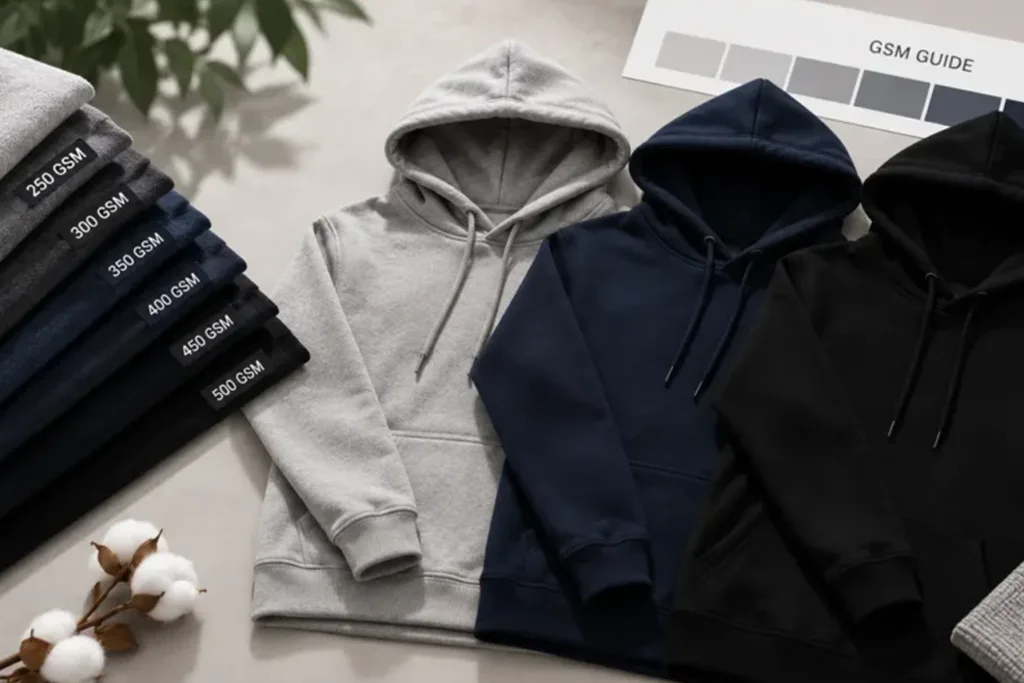
Choosing the right GSM hoodie is one of the most important decisions when building a clothing brand. GSM influences how your hoodie feels, performs, and represents your brand in the market. A wrong choice can lead to poor customer experience, while the right one can elevate your brand’s perceived value. This guide explains GSM in detail and helps you choose the most suitable option based on your brand type, audience, and printing needs. What Does GSM Mean in Hoodies? Definition of GSM in Simple Words GSM stands for grams per square meter. It measures the weight of the fabric used in a hoodie and gives you a clear idea of how thick or thin the material is. A lower GSM hoodie feels lighter and more breathable, while a higher GSM hoodie feels thicker, denser, and often more premium. It is a simple but powerful way to compare fabric quality. Why GSM Matters in Apparel Quality GSM plays a major role in how customers perceive your product. Heavier hoodies often feel more durable and high-end, while lighter ones feel casual and flexible. However, GSM alone does not define quality. It works together with fabric composition and finishing. For a brand, choosing the right GSM means balancing durability, comfort, and cost. It also ensures that your product matches customer expectations in terms of feel and performance. Different GSM Ranges Explained Understanding GSM ranges helps you align your hoodie selection with your brand positioning and target market. 1.   Lightweight Hoodies (200–250 GSM) Lightweight hoodies are designed for comfort and breathability. They are ideal for warmer climates or customers who prefer layering without feeling bulky. These hoodies are easier to wear throughout the year and are often more affordable to produce. However, they may not offer the same durability or premium feel as heavier options. They are also less suitable for bold or heavy printing techniques. 2.   Midweight Hoodies (260–300 GSM) Midweight hoodies are the most versatile option and are widely used across different types of brands. They provide a balanced feel, not too heavy and not too light. This range offers good durability, comfort, and print compatibility. It works well for everyday wear and suits a wide audience. For many brands, this is the safest starting point because it meets both quality and budget expectations. 3.   Heavyweight Hoodies (320+ GSM) Heavyweight hoodies are known for their premium feel and strong structure. They are thicker, warmer, and more durable, making them ideal for colder weather and high-end collections. These hoodies are often used by streetwear brands to create a bold and oversized look. While they offer excellent quality, they come at a higher production cost and may not be suitable for hot climates. How GSM Affects Hoodie Quality 1.   Fabric Thickness and Durability GSM directly affects how long a hoodie lasts. Higher GSM fabrics are thicker and more resistant to wear and tear. They maintain their shape better after multiple washes and give a more structured appearance. Lower GSM fabrics, while comfortable, may stretch out over time and show signs of wear more quickly. If long-term durability is important for your brand, it is better to stay within the mid to high GSM range. 2.   Comfort and Feel Comfort depends on both GSM and the type of fabric used. Lightweight hoodies feel soft and breathable, making them ideal for daily wear in warmer conditions. Midweight hoodies provide a balanced feel that works in most environments. Heavyweight hoodies offer a cozy and substantial feel, which many customers associate with quality. However, they can feel too warm if worn in hot weather. This is why understanding your audience and climate is important. 3.   Printing Results (DTG, DTF, Screen Printing) GSM plays a key role in how well your designs appear on the hoodie. Thicker fabrics provide a more stable surface, which helps in achieving clean and sharp prints. Lightweight fabrics can sometimes lead to uneven prints or ink absorption issues. On the other hand, midweight and heavyweight hoodies handle printing techniques much better, especially for bold graphics and detailed designs. Which GSM is Best for Your Brand Type? 1.   Streetwear Brands Streetwear brands usually focus on strong visual identity and premium feel. For this reason, they often use hoodies in the 300 to 400 GSM range. This creates a structured look that works well with oversized fits and bold designs. Customers in this segment often expect heavier, high-quality garments. 2.   Gym & Active wear Brands For gym and active wear brands, comfort and flexibility are more important than thickness. Hoodies in the 220 to 280 GSM range are ideal because they are lightweight and breathable. They allow easy movement and can be worn during workouts or as layering pieces. Heavier fabrics are usually avoided in this category. 3.   Winter Clothing Brands Winter brands benefit from using 320 GSM and above. These hoodies provide warmth and insulation, making them suitable for colder conditions. They also create a cozy and premium feel that aligns well with seasonal demand. Adding fleece lining can further enhance comfort. 4.   Merch & Printing Businesses Merchandise and printing businesses often prioritize cost efficiency and consistent results. A GSM range of 260 to 300 works best in this case. It offers a good balance between affordability, durability, and print quality. This range is also suitable for bulk production. Best GSM for Printing Hoodies 1.   GSM for DTG Printing DTG printing works best on smooth and stable fabrics. Hoodies in the 260 to 300 GSM range are ideal because they absorb ink evenly and allow detailed designs to stand out clearly. Cotton-rich fabrics are especially effective for this method. 2.   GSM for DTF Printing DTF printing is more flexible and works on different fabric types. However, using midweight hoodies between 240 and 320 GSM ensures better adhesion and durability. This range also reduces the chances of wrinkles during heat pressing. 3.   GSM for Screen Printing Screen printing requires a stable and thick surface to handle layers of ink. Hoodies in the 280 to 350 GSM
Fashion

Blank Apparel for Printing: A Complete Guide

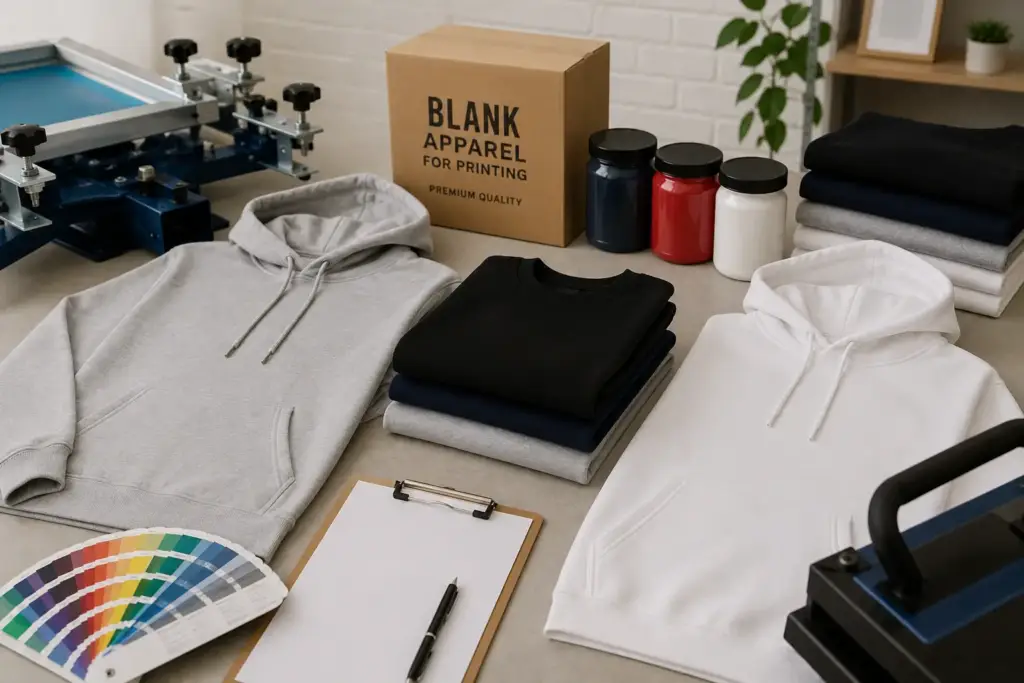
What Is Blank Apparel for Printing? Blank apparel refers to clothing items manufactured without any prints, logos, embroidery, or branding. These garments are produced specifically to be customized later through screen printing, DTG printing, heat transfers, embroidery, or sublimation. They serve as a clean canvas, giving designers and brands complete control over style, placement, and creativity without the added cost or complexity of producing garments from scratch. Why Do Brands Use Blank Apparel for Printing? Brands use blank apparel because it allows them to create custom designs efficiently while maintaining consistency in quality, sizing, and fabric. Blank garments simplify production, speed up turnaround times, and make it easy to scale orders. They also allow businesses to focus on design and branding instead of manufacturing, which is especially beneficial for print shops, small clothing brands, and promotional product companies. What Are the Best Blank Apparel Options for Screen Printing? Screen printing works best on fabrics that absorb ink well and provide a smooth, stable surface. This is why 100% cotton, particularly ring-spun cotton, remains the top choice. Cotton/poly blends with a higher cotton percentage also perform well because they maintain color vibrancy while offering additional durability. Heavyweight tees and hoodies are favored because their thicker fabric structure supports solid ink coverage and long-lasting prints. Which Blank Apparel Works Best for DTG Printing? DTG printing performs best on high-quality, ring-spun 100% cotton because the fabric fibers are smoother and allow ink to absorb evenly. Pre-treated cotton garments also deliver sharper detail and brighter colors. Light-colored apparel typically produces more accurate results because it doesn’t require multiple layers of white ink. Synthetic fabrics like polyester are not ideal for DTG unless they undergo special pre-treatment, as they do not absorb water-based inks properly. How to Choose the Right Blank Apparel for Heat Transfer Printing? To choose blank apparel for heat transfer printing, focus on fabrics that can withstand high heat without melting, shrinking, or warping. Cotton and cotton/poly blends are generally the most reliable options since they handle heat well and provide a stable surface for vinyl or transfer film. Fabrics with a smooth, tight weave allow the transfer to adhere cleanly, reducing the risk of peeling or cracking. Avoid materials like spandex or rayon, which react poorly to heat and can distort during pressing. How Important Is Fabric Composition for Printing? Fabric composition directly affects how ink or vinyl bonds to the garment, how vibrant the final print appears, and how well the design holds up after washing. Cotton absorbs ink easily and produces crisp prints. Polyester resists absorption but works perfectly for sublimation. Blends provide a balance of durability, softness, and stretch but may slightly mute colors compared to pure cotton. Understanding fabric makeup ensures you select garments that match your preferred printing technique and desired finish. Cotton vs Polyester vs Blends – Which Is Best for Printing? Cotton is ideal for screen printing and DTG because its fibers hold ink well and deliver bright, detailed results. Polyester is the best choice for sublimation printing since heat transforms the dye into gas that bonds permanently with the synthetic fibers. Blended fabrics, such as 50/50 or 60/40 cotton/poly, offer durability and a soft feel, making them great for screen printing and heat transfers, although prints may appear slightly less vibrant than on pure cotton. The best choice depends entirely on the printing method and the intended use. What Is GSM and Why Does It Matter for Printing? GSM, or grams per square meter, measures the weight and thickness of the fabric. It affects the garment’s structure, durability, and printing behavior. Lower GSM fabrics are lightweight and suitable for everyday wear, while mid-weight fabrics offer versatility for most printing jobs. Heavyweight garments provide a premium feel and support bold prints with excellent definition. Understanding GSM helps you choose the right garment thickness for both comfort and print quality. How to Select the Best Blank T-Shirts for Printing? The best blank t-shirts for printing typically feature ring-spun 100% cotton, a smooth knit surface, and a reliable mid-weight GSM. Pre-shrunk fabrics reduce fit inconsistencies after washing, while side-seamed construction offers a more premium fit compared to tubular tees. Prioritizing softness, fabric density, and stitching quality ensures that your printed designs appear sharp, vibrant, and durable. What Features Should You Look for in Blank Hoodies for Printing? When selecting hoodies for printing, look for mid-to-heavyweight fleece, as the thickness provides a stable base for ink or transfers. Cotton-rich hoodies are ideal for screen printing, while polyester-dominant ones are suited for sublimation. High-quality hoodies also feature sturdy zippers, double-lined hoods, and durable stitching, all of which contribute to better print placement and long-term wear. Why Do Custom Clothing Brands Prefer Blank Apparel? Custom clothing brands rely on blank apparel because it gives them a professional and scalable foundation for their collections. It allows them to introduce multiple designs without altering garment construction or ordering costly custom-manufactured products. Blank apparel also ensures consistent sizing across all product runs, making customer experience more reliable. Simply put, blanks allow brands to maintain creative freedom while keeping production costs manageable. How to Order Blank Apparel in Bulk for Printing? Ordering blank apparel in bulk begins with choosing fabrics and styles that match your printing method. Once you’ve selected potential garments, request samples to evaluate quality, fit, and color accuracy. After testing, compare pricing across multiple suppliers, consider delivery times, and confirm bulk discounts. Clear communication regarding sizes, colors, and quantities ensures a smooth ordering process and reduces the chances of errors or mismatches. How to Find Reliable Blank Apparel Suppliers? Reliable suppliers typically provide consistent stock levels, detailed fabric specifications, and transparent information about GSM, fiber content, and sizing. Reviewing customer feedback, inspecting sample products, and confirming return or exchange policies help verify supplier credibility. A dependable supplier should also maintain steady inventory so your brand can reorder without disruption. How to Check Blank Apparel Quality Before Printing? Quality checks should include inspecting the stitching, evaluating fabric texture, and stretching the material slightly to check durability. A

Uncategorized

Why Brands Prefer Wholesale Blank Apparel for Custom Printing

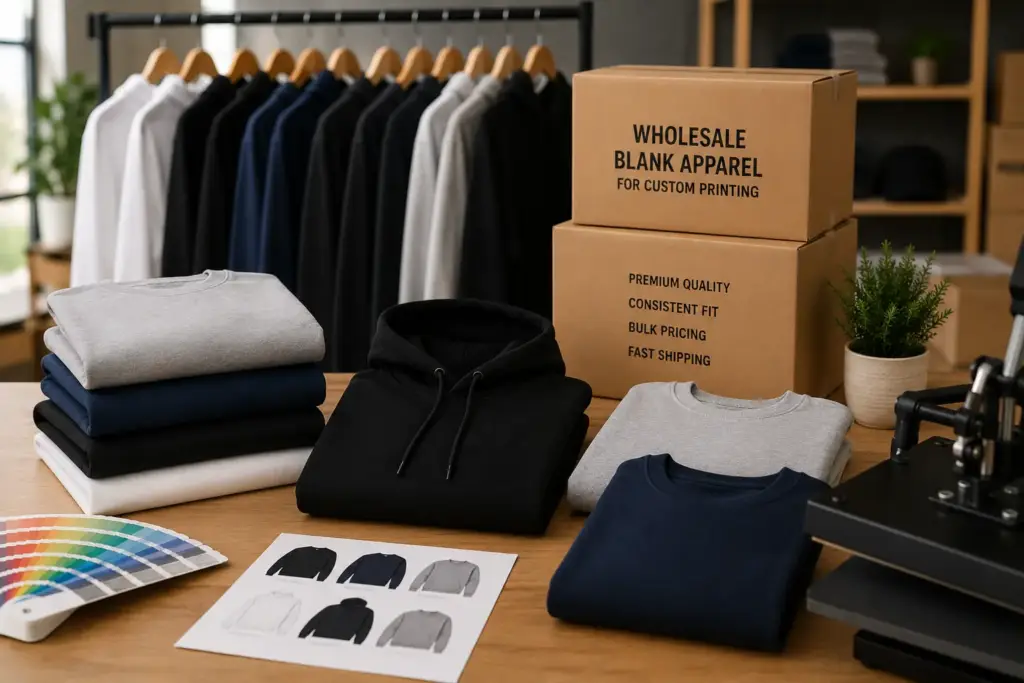
The Growing Demand for Wholesale Blank Apparel The custom apparel industry has grown rapidly over the last few years. Businesses now use printed clothing not only as merchandise but also as a powerful branding tool. From corporate uniforms to promotional wear and fashion labels, custom printing has become a standard practice. Wholesale blank apparel supports this growth by giving brands flexibility, consistency, and cost control. Instead of relying on pre-designed garments, brands can start with a blank canvas and create products that truly represent their identity. This shift has made wholesale blank apparel a preferred choice for both new and established businesses. What Is Wholesale Blank Apparel? Wholesale blank apparel refers to clothing items sold in bulk without logos, prints, or branding. These garments are designed specifically for customization. Common types include: T-shirts and long-sleeve tees Hoodies, sweatshirts, and pullovers Polo shirts Jackets and outerwear Activewear and basics These garments are produced with printing and embroidery in mind, ensuring better results during customization. Why Custom Printing Brands Choose Blank Apparel Custom printing brands choose blank apparel because it gives them full creative and operational control. There are no restrictions related to existing designs or branding. Major reasons include: Freedom to design from scratch Better compatibility with printing methods Consistent production results Easier quality management This approach allows brands to focus on creativity while maintaining efficiency. Cost Savings: How Wholesale Blank Apparel Reduces Printing Costs Cost management is a key concern for any apparel business. Wholesale blank apparel helps reduce overall expenses by offering lower per-unit pricing. Cost-saving benefits include: Reduced garment cost through bulk purchasing Fewer rejected prints due to consistent fabric quality Lower labor costs from smoother printing processes Improved profit margins on large orders These savings allow brands to scale without increasing retail prices excessively. Consistent Quality for Large-Scale Printing Consistency is essential when fulfilling bulk orders. Wholesale blank apparel is manufactured with standardized processes to ensure uniformity. This results in: Consistent fabric texture and thickness Uniform sizing across batches Predictable print placement and results Fewer customer complaints Consistent quality builds trust and supports repeat business. Freedom to Customize Designs Without Limitations Blank apparel offers complete creative freedom. Brands can test ideas, launch collections, and adapt designs without restrictions. Customization options include: Front, back, and sleeve prints Minimal branding or bold graphics Seasonal and campaign-based designs Limited edition or exclusive drops This flexibility allows brands to stay relevant in a fast-changing market. Better Fabric Options for Different Printing Methods Wholesale blank apparel is available in a variety of fabrics, each suited to specific printing techniques. Choosing the right fabric improves print durability and appearance. Screen Printing Ideal for cotton and cotton blends Produces bold and long-lasting prints Cost-effective for high-volume orders DTG Printing Best on smooth, high-quality cotton Supports detailed and multi-color designs Suitable for short runs and custom orders Heat Press Works well on polyester and blends Ideal for logos, numbers, and text Commonly used for sports and promotional wear Embroidery Requires thicker, durable fabrics Suitable for polos, jackets, and caps Creates a premium and professional finish Bulk Availability for Fast Order Fulfillment Wholesale blank apparel suppliers usually maintain large inventories, which helps brands meet tight deadlines. Advantages include: Faster order processing Reliable stock for repeat orders Reduced delays during peak seasons Better planning for promotions and events Fast fulfillment improves customer satisfaction and operational flow. Easy Brand Identity Creation with Blank Apparel Blank apparel helps brands create a consistent and recognizable identity. Every design choice reflects the brand’s message and values. It allows brands to: Maintain a consistent visual style Experiment with branding elements Adjust identity as the business grows Strengthen customer recognition A strong identity helps brands stand out in competitive markets. Long-Lasting Prints on High-Quality Blank Garments High-quality blank apparel is designed to hold prints effectively. This improves product durability and customer satisfaction. Benefits include: Reduced fading and cracking Better wash resistance Longer garment lifespan Higher perceived product value Long-lasting prints reflect positively on the brand’s quality standards. Size, Color, and Style Variety in Wholesale Blank Apparel Wholesale blank apparel offers a wide range of options, making it easier to serve different audiences. Brands can access: Extended size ranges Neutral and bold color options Unisex, men’s, and women’s fits Casual, athletic, and premium styles This variety supports inclusive sizing and broader market reach. Why Wholesale Blank Apparel Is Ideal for Startups and Small Brands Startups often face limited budgets and uncertain demand. Wholesale blank apparel offers flexibility without heavy financial risk. It helps startups by: Allowing smaller initial investments Supporting design testing and feedback Maintaining quality without high costs Enabling gradual scaling This makes it a practical starting point for new brands. Reduced Risk and Less Wastage in Printing Blank apparel reduces the risk of unsold inventory. Brands can print only what they need, when they need it. Key benefits include: Less excess stock Lower storage requirements Reduced fabric and ink waste More sustainable operations This approach supports both cost efficiency and responsible production. How Wholesale Blank Apparel Supports Business Scalability As demand grows, wholesale blank apparel helps brands scale smoothly. It supports scalability by: Offering consistent supply Maintaining stable pricing Supporting large-volume orders Allowing faster product launches Scalable production helps brands grow without operational strain. Choosing the Right Wholesale Blank Apparel Supplier The right supplier plays a crucial role in product quality and reliability. Brands should consider: Fabric durability and feel Size and color consistency Inventory availability Transparent pricing Responsive customer service A reliable supplier supports long-term growth. Common Mistakes Brands Make When Buying Blank Apparel in Bulk Many issues arise from poor planning or rushed decisions. Common mistakes include: Ignoring fabric suitability for printing Skipping sample testing Ordering incorrect size ratios Choosing low-quality garments to save cost Poor demand forecasting Avoiding these mistakes improves efficiency and reduces losses. Final Thoughts: Why Wholesale Blank Apparel Is the Smart Choice Custom apparel has become an essential branding tool for modern businesses, used across merchandise, promotions, and fashion lines. Brands now prioritize flexibility, quality, and cost

Scroll to Top